
Blog Update
How to Check an Elephant’s Health
Jul
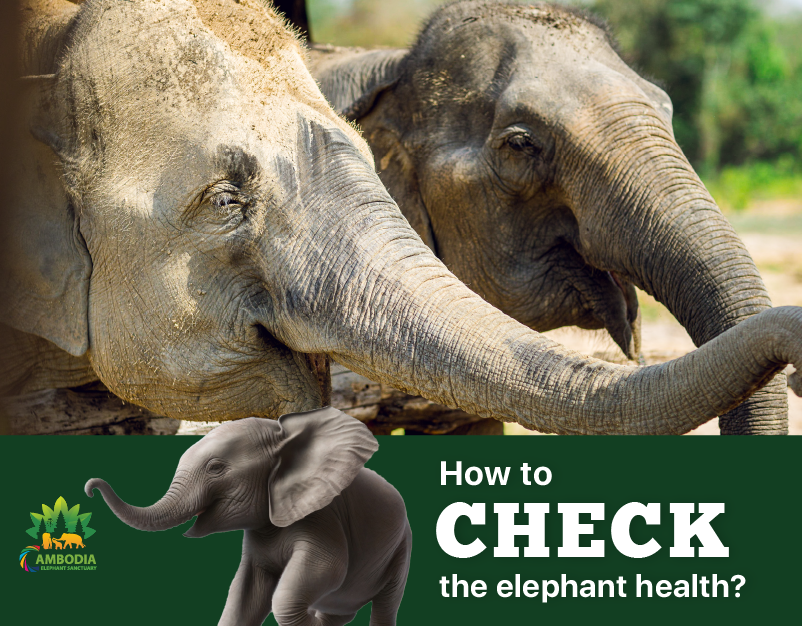
Keeping a close eye on elephant health is a daily job at any good sanctuary. Because elephants are so large and hide discomfort well, caretakers watch for small signs rather than waiting for obvious symptoms. Here is how an elephant’s health is checked.
Appetite and dung
A healthy elephant eats well throughout the day. Mahouts monitor how much each elephant eats and check its dung, as the amount, texture and frequency are good indicators of digestion and overall health.
Skin, eyes and temperature
Caretakers look at the skin for wounds or dryness, check that the eyes are clear and bright, and watch the elephant’s breathing and temperature. Regular bathing and mud keep the skin healthy and make problems easier to spot.
Feet, behaviour and vet checks
Foot and nail condition matter a great deal for such heavy animals, so feet are inspected often. Changes in behaviour, like low energy or standing apart from the group, can signal a problem. Experienced veterinarians and mahouts work together, using observation and, when needed, tests to keep each elephant healthy.
Visit the elephants yourself 🐘
Spend a hands-on, ethical half-day with our rescued elephants near Siem Reap — feed them, join a mud bath and bathe them in the river. Hotel pick-up from Siem Reap included.
Book your elephant experience →